How to Make Cheese Pizza Without Special Equipment
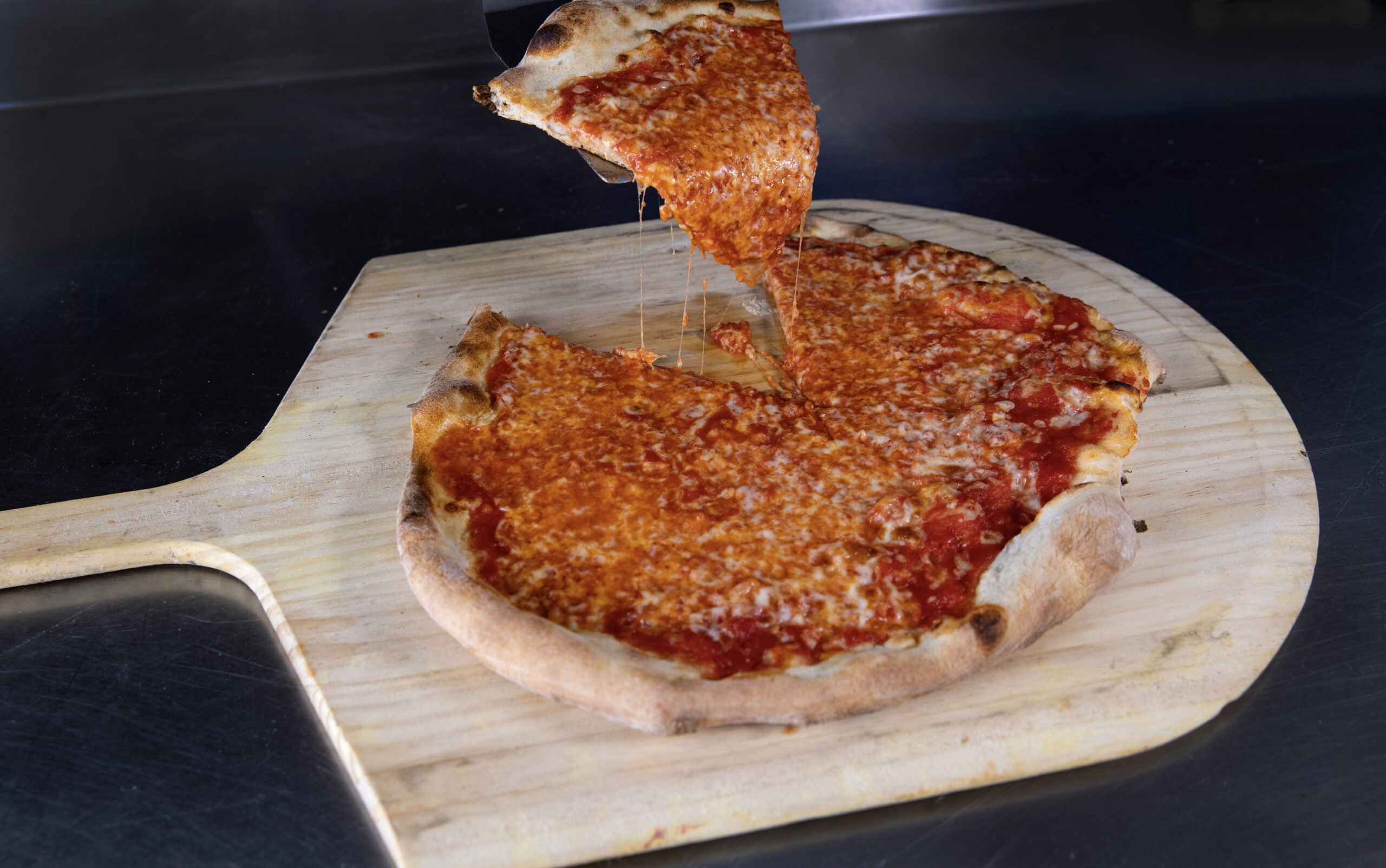
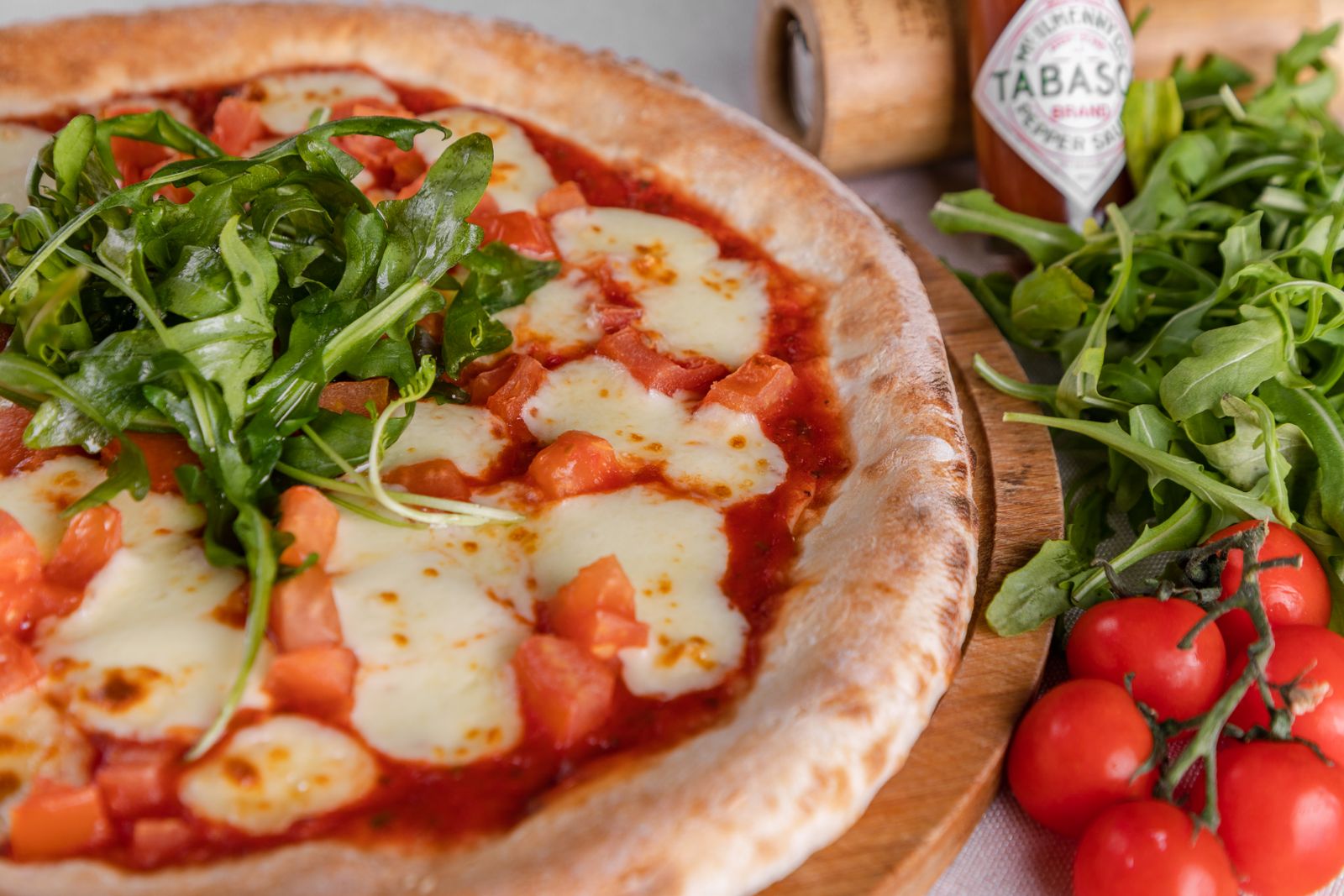

A good cheese pizza does not begin with a wood-fired oven, a baking steel, or a peel dusted with semolina. It begins with understanding what matters most and what can be improvised. That is useful news for anyone cooking in a regular home kitchen, because the parts of pizza that actually determine quality are mostly technique, timing, and restraint. The oven matters, of course. So does the dough. But a plain sheet pan, a mixing bowl, and your hands can take you surprisingly far.
I have made pizza in apartments with weak ovens, in rental kitchens stocked with warped pans, and in family kitchens where the only rolling pin was a wine bottle. The results were not always identical, but they were often very good, sometimes excellent, and almost always better than the average delivery pie. A simple cheese pizza is especially revealing. There is nowhere to hide when the topping is just sauce and cheese. That is exactly why it is the best place to learn.
What you actually need
Many home cooks get stuck before they begin because pizza is surrounded by equipment culture. Pizza stones, steels, infrared thermometers, bench knives, proofing boxes, peels, specialty flours, and oven inserts all have their place. None of them are required to make a satisfying cheese pizza at home.
What you need is far simpler:
- A large mixing bowl
- A baking sheet or sheet pan
- An oven
- A spoon or spatula
- Your hands, plus a clean counter or large cutting board
If you have parchment paper, that helps. If you have a cast iron skillet, that opens another route. If you have neither, you can still proceed. The point is not to imitate a pizzeria piece for piece. The point is to produce a pizza with a crisp bottom, a tender interior, well-cooked sauce, and melted cheese with some browning. Those targets are achievable with ordinary tools.
The style of pizza that works best at home
Without a stone or steel, the easiest path is a moderately thin pan pizza or sheet pan pizza, not a dramatic leopard-spotted Neapolitan pie. Home ovens usually top out around 475 to 550 degrees Fahrenheit. Commercial pizza ovens run much hotter. That difference changes what kind of dough and bake time make sense.
A pan gives you direct conductive heat from metal, which helps with browning the crust underneath. It also supports softer dough, which is useful if you are stretching by hand without much experience. A free-form pizza baked on an upside-down sheet pan can also work well, especially if you preheat the pan first, but for reliability, a standard sheet pan pizza is hard to beat.
This is also why cheese pizza is such a smart choice. Cheese melts and browns predictably. You are not managing raw sausage, watery vegetables, or a pile of toppings that insulate the surface and slow down baking. With cheese pizza, the dough can finish at the same time the top reaches that point where the mozzarella blisters at the edges and the sauce darkens slightly.
Dough first, but keep it practical
If you have ever read three pizza dough recipes and felt as if each one belonged to a different planet, you are not imagining things. Some rely on long cold fermentation. Some use no-knead methods. Some are enriched with olive oil and sugar. Some contain only flour, water, yeast, and salt. The Cheese Pizza good news is that home cheese pizza is forgiving if your dough is balanced.
For a standard 13 by 18 inch sheet pan, or for two smaller pizzas, a useful dough starts with roughly 500 grams of flour, 325 to 350 grams of water, 10 grams of salt, 7 grams of instant yeast if making same day, and 1 to 2 tablespoons of olive oil. You do not need a scale, though it helps. In cups, that is about 4 cups flour and 1 1/3 to 1 1/2 cups water, depending on your flour and humidity. The exact amount of water is less important than how the dough feels. It should be soft, slightly tacky, and elastic, not dry and crumbly.
All-purpose flour works. Bread flour gives a bit more chew and structure, which can be useful in a home oven, but all-purpose flour makes a very respectable crust. If someone tells you pizza requires imported flour to be real, ignore them and make dinner.
Mix the dough until no dry flour remains, then knead until it becomes smoother and springs back a little when pressed. This can take 8 to 10 minutes by hand. If the dough sticks aggressively, let it rest for 5 minutes before continuing. Rest often solves what force cannot. Flour absorbs water over time, and dough becomes more manageable if you stop fighting it.
A same-day rise of 1 to 2 hours at room temperature will work. A slower rise in the refrigerator, anywhere from overnight to 2 days, will improve flavor and handling. Cold dough also stretches more predictably. If you plan ahead, refrigerate the dough in a lightly oiled bowl covered tightly, then let it sit at room temperature for about 45 to 60 minutes before shaping. If you do not plan ahead, do not let that stop you. Freshly made dough still makes good pizza.
Sauce should support, not drown
Cheese pizza can become heavy fast if the sauce is wet or over-applied. Many first attempts fail here. People either spoon on too much sauce or use one straight from the jar that tastes fine on pasta but bakes into something sweet and flat on pizza.
A quick pizza sauce does not need to be cooked in advance. Crushed canned tomatoes, a little salt, a pinch of dried oregano if you like it, and a drizzle of olive oil are enough. Some cooks add a small clove of grated garlic. I often do, but sparingly. Raw garlic becomes louder in the oven, and on a plain cheese pizza it can take over.
If your canned tomatoes are watery, pour them into a strainer for 10 or 15 minutes before seasoning. That one small step improves pizza more than many gadgets do. You want sauce that spreads easily but does not run. A modest layer is best. The red should show through the cheese in places.
The cheese matters, but not in the fussy way people assume
For home cheese pizza, low-moisture mozzarella is the workhorse because it melts evenly and sheds less water than fresh mozzarella. It gives you that familiar stretch and browning. Fresh mozzarella can be excellent, but it must be drained well and used with restraint, otherwise the center of the pizza can turn soupy before the crust is done.
A blend usually tastes better than a single cheese. Mozzarella provides melt, while a little provolone, Monterey Jack, fontina, or even a light shower of Parmesan adds character. If all you have is shredded mozzarella from the grocery store, you can still make a good pizza. If it is pre-shredded, know that anti-caking agents may make the melt a little less smooth, but the difference is not fatal. I would rather use pre-shredded cheese on a well-made crust than expensive cheese on a poorly shaped, underbaked one.
The amount matters as much as the type. Home cooks often overload cheese pizza because bare spots look wrong before baking. They are not wrong. They are smart. Cheese spreads as it melts. Too much cheese insulates the sauce and leaves you with a greasy top and a pale crust underneath. For a full sheet pan pizza, 8 to 12 ounces of cheese is often enough, depending on thickness and appetite.
Heat is your substitute for specialty equipment
If you do not have a stone or steel, your main job is to make the oven and pan work harder. Preheating is not optional. Let the oven heat thoroughly for at least 30 minutes, longer if you can. If you are using a sheet pan, place it in the oven during preheat if you feel comfortable handling a hot pan safely. That head start helps the bottom crust set faster.
The oven rack position matters too. For most home ovens, the lower third is best for pizza on a sheet pan because it encourages bottom browning. If your oven runs hot underneath and scorches, move the pizza to the middle rack for the second half of baking. Every oven has a personality. Some blast from the back, some from below, some lie about the temperature. After one or two pizzas, you learn where yours behaves well.
A cast iron skillet is another useful workaround. It stores heat better than a thin pan and gives wonderful edge browning. If you own one, preheat it carefully, oil it lightly, press in the dough, and build the pizza in the pan. The result is a little thicker and more pan-style than classic round cheese pizza, but often better than what people imagined they were trying to make.
Shaping without a rolling pin
A rolling pin flattens the gas out of dough, which is not always terrible, but hand-stretching usually gives a better texture. It sounds harder than it is. Once the dough has rested, oil the pan lightly or line it with parchment. Place the dough in the pan and begin pressing from the center outward with your fingertips. If it resists and shrinks back, stop and let it rest for 10 minutes. Then continue. Dough has memory, but it also gets tired.
That pause is one of the most useful habits in pizza making. People often think they lack skill when really they lack patience. Gluten tightens under pressure. Time relaxes it. If you force dough into the corners too early, it fights you and tears. If you return after a short rest, it spreads with little effort.
For a thinner pizza on an upside-down sheet pan, shape the dough on parchment paper. Stretch it into a rough circle or oval. Perfection is not the goal. A slightly irregular crust looks homemade in the best sense.
A straightforward method that works
Here is the process I recommend when you want a dependable cheese pizza without specialty tools:
- Make the dough and let it rise until puffy, or refrigerate it overnight and bring it closer to room temperature before shaping.
- Preheat the oven as hot as it will reasonably go, ideally 475 to 500 degrees Fahrenheit, with the sheet pan inside if you plan to bake directly on it.
- Stretch the dough into an oiled sheet pan or onto parchment, then let it relax for a few minutes if it springs back.
- Add a thin layer of sauce, then an even layer of cheese, leaving a little border around the edge.
- Bake until the crust is browned underneath and the cheese is melted and blistered in spots, usually 10 to 16 minutes depending on thickness, pan, and oven.
Those times are only a guide. A pale top and pale bottom mean it needs longer. A dark rim with a soft center usually means the pizza is too thick for the heat you are using, or the pan did not preheat enough.
How to judge doneness like a cook, not a timer
Pizza recipes often fail people because they treat time as the main signal. Time is useful, but sight and feel matter more. A finished cheese pizza should have a bottom with noticeable color, not Cheese Pizza just stiffness. If you lift a corner with a spatula, you want to see medium golden brown, deeper in some areas if your oven is lively. The edge should feel crisp on the outside and still yield slightly when pressed.
The cheese should be fully melted and beginning to brown in isolated spots. The sauce should look settled, not freshly wet. If the center sags dramatically when you lift a slice, it may need another minute or two, or it may simply have too much topping.
One trick I use in sluggish ovens is finishing the pizza directly on the oven rack for the last 1 to 2 minutes, but only if the crust is already set and firm enough to handle. This dries and crisps the base. It is not elegant, but it works. Another fix is to slide a pale pizza from parchment onto the bare pan midway through baking once the dough has set. Parchment is convenient, but direct pan contact browns better.
Common problems and the real reasons they happen
A soggy center usually traces back to excess moisture. That could mean watery sauce, too much sauce, fresh mozzarella that was not drained, or dough stretched too thick in the middle. It can also mean the oven was not hot enough when the pizza went in. Pizza likes urgency.
A tough crust usually comes from too much flour during shaping, too little water in the dough, or overbaking. People sometimes keep adding flour to sticky dough until it stops sticking, then wonder why the baked crust feels dry. Slight tackiness is normal. Oiled hands or a lightly oiled pan often work better than burying dough in flour.
If the cheese browns before the crust is ready, move the pizza lower in the oven next time. You can also use slightly less cheese or bake the shaped dough with sauce alone for 3 to 4 minutes before adding cheese. That partial bake is not my first choice, but in weaker ovens it can balance the finish.
If the bottom burns before the top is done, your pan may be too dark or thin, or your rack is too low. Home kitchens are full of old blackened pans that conduct heat aggressively. They can make great pizza, but you have to adjust. Move the rack up one position or reduce the temperature by 15 to 25 degrees.
Small upgrades that make a big difference
Olive oil is not mandatory, but a light coating in the pan helps browning and prevents sticking. It also creates that faint fried edge many people love in pan pizza. A pinch of salt in the sauce sharpens tomato flavor. Grating your own cheese, when possible, improves melt. Letting the pizza rest for 2 minutes after baking keeps the cheese from sliding straight off when cut.
That brief rest is worth emphasizing. Fresh from the oven, pizza is still settling. The melted cheese is fluid, steam is moving through the crust, and the sauce is hotter than it looks. Two minutes feels long when you are hungry. It saves the structure of the slice.
If you like a little more complexity in a plain cheese pizza, add a small amount of grated Parmesan after baking rather than before. Pre-baked Parmesan can darken too quickly in a hot home oven. Added at the end, it keeps its sharper aroma. A few torn basil leaves are also welcome, but keep them sparse. Cheese pizza should still taste like cheese pizza, not an herb salad on bread.
When store-bought dough makes sense
There is no virtue in making dough from scratch if it keeps you from making pizza at all. Good store-bought dough from a bakery, pizzeria, or grocery store can produce very respectable results. The same handling rules apply. Let it come closer to room temperature, give it time to relax if it resists stretching, and do not overtop it.
I have used supermarket dough on weeknights when there was no time for fermentation and still turned out a dinner I would happily serve guests. The advantage of homemade dough is not purity. It is control. You control salt, hydration, fermentation time, and size. But convenience is a legitimate ingredient in a home kitchen.
Why cheese pizza is worth mastering
There is a reason cooks return to plain cheese pizza even when they can afford more elaborate toppings. It teaches judgment. It tells you whether the crust is seasoned properly, whether your oven setup works, whether your sauce is balanced, whether your bake time is honest. With pepperoni, olives, onions, and sausage, flaws can hide under flavor. With cheese pizza, they show.
That is not a bad thing. It means every attempt teaches you something quickly. Maybe the dough needed another day in the fridge. Maybe the sauce needed draining. Maybe the oven rack belonged one notch lower. These are small corrections, not failures.
Once you can produce a reliable cheese pizza on a sheet pan with nothing more specialized than a bowl and a hot oven, other pizzas become easier. You understand moisture, heat, and structure. You stop chasing equipment as if it were talent. And you start making the kind of pizza that disappears while people are still standing at the counter, which is usually the clearest sign that you got it right.
Brooklyn Pizza
1647 Arapahoe Ave
Boulder, CO 80302
+1 720-328-2324
FAQ About Cheese Pizza
What type of cheese is used on a cheese pizza in Boulder, CO?
The cheese varies by pizzeria. Brooklyn Pizza uses whole-milk mozzarella made in-house on its standard pies and offers a plant-based cheese option for vegan pizza. Ask the shop directly about ingredients if you have a dietary restriction.
How many slices are in a large pizza in Boulder, CO?
Slice count depends on how the shop cuts the pie. Brooklyn Pizza lists a 16-inch large pizza. If you are ordering for a group, call to confirm the number of slices or ask whether a smaller cut is available.
What is New York style pizza in Boulder, CO?
New York-style pizza usually has a thin crust and wide slices that can be folded. A classic cheese slice pairs tomato sauce with mozzarella. Brooklyn Pizza serves New York-style pizza by the slice and as whole pies.