How to Make Cheese Pizza With a Perfectly Balanced Flavor
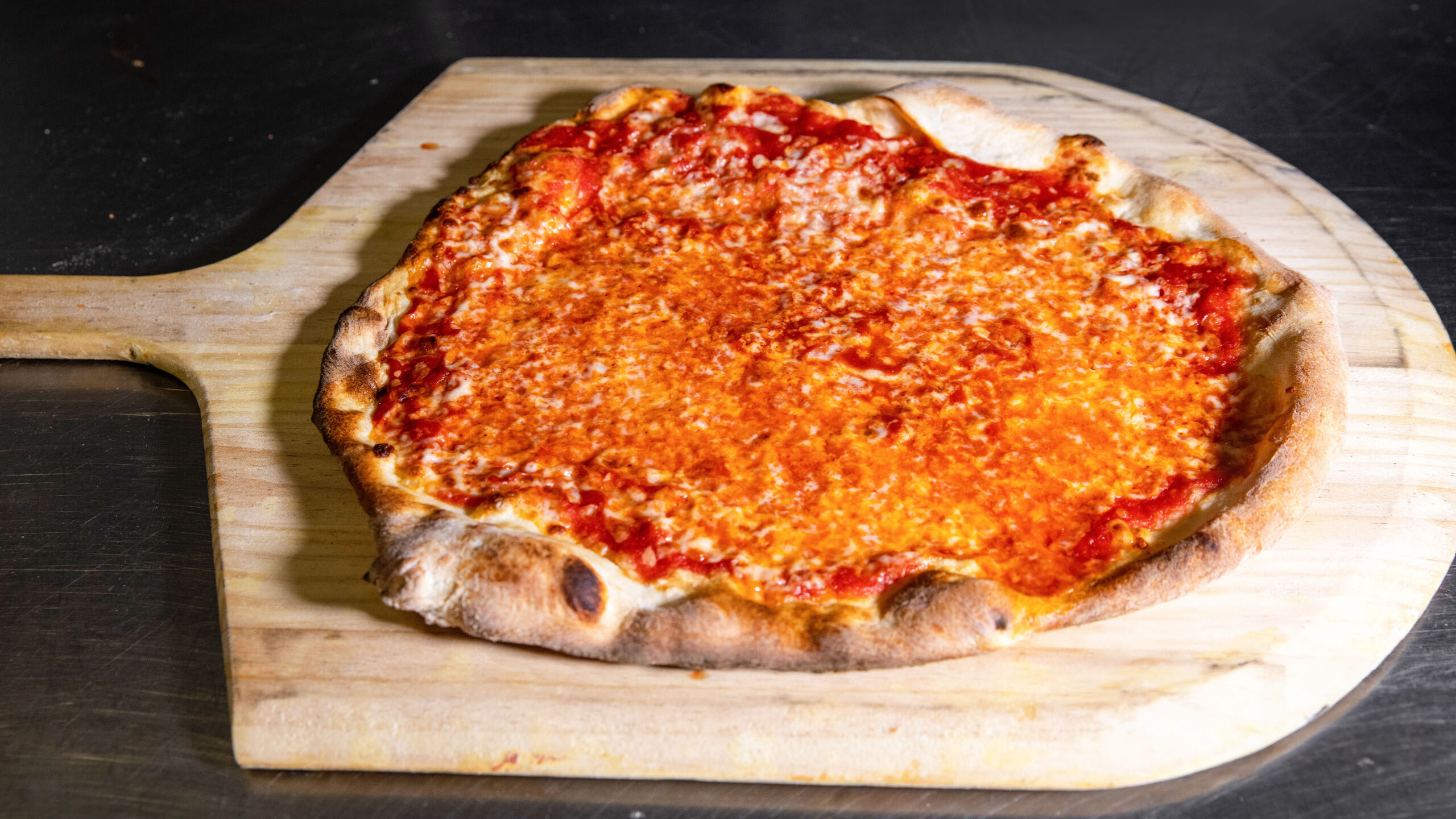
A great cheese pizza looks simple, which is exactly why it exposes every weak choice. There is nowhere to hide a bland sauce, a heavy hand with mozzarella, or a dough that bakes up pale and dry. When the only major elements are crust, tomato, cheese, and olive oil, balance stops being a nice idea and becomes the whole game.
Most disappointing cheese pizza fails in one of two ways. The first is excess: too much cheese, too much sauce, too much sweetness, too much oregano, too much time in the oven. The second is imbalance: a crust with no salt, a sauce with no brightness, cheese that melts well but contributes little flavor, or a bake that never develops contrast between crisp edges and a tender center. The best pies hit several notes at once. They are rich but not greasy, savory but still bright, cheesy without smothering the crust, and satisfying enough to stand alone.
If you want a cheese pizza that tastes complete rather than merely loaded, it helps to think like a cook rather than a recipe follower. Every choice affects another one. A salty Pecorino can rescue a mild mozzarella. A sweeter canned tomato needs less sugar than people assume, often none at all. A very hot oven allows a lighter topping load because the crust can fully bake before the cheese dries out. Once you see those relationships, making a balanced pie becomes much more repeatable.
What “balanced flavor” means on a cheese pizza
Balance in pizza is not a mathematical Brooklyn Pizza Cheese Pizza formula, but the idea is practical. Each bite should carry acidity from the tomato, dairy richness from the cheese, wheat flavor from the crust, enough salt to sharpen everything, and a little bitterness or char to keep it from tasting flat. Texture matters just as much. A crust that has a crisp bottom and an airy rim gives the toppings structure and keeps the pie from reading as heavy.
One of the most common mistakes home cooks make is treating cheese pizza like the easiest pizza. It is often less forgiving than one with toppings. Pepperoni brings salt and spice. Mushrooms add moisture and savoriness. Olives add bitterness. A plain cheese pizza has to generate depth from a short list of ingredients, so ingredient quality and restraint matter more.
I learned this the slow way, through batches of perfectly edible but forgettable pies. The cheese was bubbling, the crust was browned, and yet the pizza felt dull. The fix was rarely dramatic. Usually it came down to using less sauce, seasoning the dough properly, blending cheeses instead of relying on one, or baking hotter for a shorter time. Those are small changes, but they shift the whole flavor profile.
Start with dough that can support the toppings
A balanced cheese pizza begins before the sauce ever hits the dough. If the crust has no character, the pie will always taste one-dimensional. You do not need a complicated fermentation schedule to make good dough, but you do need enough salt, enough hydration, and enough time for flavor to develop.
For a home oven, a dough hydration in roughly the 62 to 68 percent range works well for most flours. Lower than that can bake up dense unless your shaping is excellent. Higher than that can be beautiful, but it is harder to manage and easier to underbake in a standard kitchen oven. Bread flour gives a chewier bite and better browning. All-purpose flour is easier to handle and still produces a strong result, especially if you let the dough rest overnight in the refrigerator.
Salt is not optional seasoning here. It is structural and flavorful. Under-salted dough makes even good toppings taste muted. A typical range is around 2 to 3 percent salt by weight relative to flour, which sounds technical but pays off. If you have ever eaten pizza that looked right but tasted oddly lifeless, the dough was often the problem.
Yeast quantity is less important than time and temperature. A slow, cold rise produces more complexity and better browning than a rushed dough mixed and baked on the same afternoon. Even 24 hours in the refrigerator can make a noticeable difference. The dough becomes easier to shape, the crust bakes with more color, and the wheat flavor comes forward enough to anchor the dairy and tomato.
A proper cheese pizza also benefits from not being overloaded. If your dough is stretched very thin, the toppings must be lighter. If you want a slightly thicker base, you can be a little more generous. The point is proportionality. The crust should carry the toppings, not disappear beneath them.
The sauce should taste bright, not busy
Many home pizza sauces are overworked. People cook them for too long, add too many herbs, or try to make them taste like pasta sauce. Cheese pizza usually benefits from a cleaner approach. Good canned tomatoes, crushed by hand or pulsed briefly, often need only salt and perhaps a small drizzle of olive oil. Garlic is optional. Dried oregano should be used sparingly if at all. Sugar is rarely necessary unless the tomatoes are sharply acidic or simply poor.
Raw sauce works particularly well in a hot oven because it keeps the flavor fresh. The tomatoes cook on the pizza instead of in a pot for half an hour before baking. That freshness matters on a cheese pizza, where the sauce acts as the main contrast to melted dairy. If the sauce is flat or too sweet, the entire pie feels heavier.
Texture matters here too. A watery sauce soaks the center and prevents proper browning. A paste-like sauce tastes concentrated but can become stodgy. You want something spoonable and spreadable, thick enough to stay in place but loose enough to melt into the cheese at the edges. If your canned tomatoes are packed in a lot of liquid, draining some of it before crushing helps.
There is also a practical flavor advantage to using less sauce than you think you need. Excess sauce cools the surface of the dough and slows baking. It also creates a wet layer under the cheese. A restrained amount gives you more contrast. You taste tomato clearly instead of experiencing a vague red mush beneath a blanket of dairy.
Cheese choice is where most balance is won or lost
Mozzarella is the default, but using only one cheese often limits your options. Fresh mozzarella melts beautifully and tastes milky, but it can release water and dilute the pie. Low-moisture mozzarella browns more evenly and gives that familiar pizzeria stretch, but it can taste bland on its own. The sweet spot for many home bakers is a combination.
A blend lets you control both texture and flavor. Low-moisture mozzarella provides dependable melt and coverage. Fresh mozzarella adds tenderness and pockets of creamy richness. A small amount of aged cheese, such as Parmesan or Pecorino Romano, contributes salt and nuttiness that bring the whole pie into focus. You do not need much. In fact, too much aged cheese can dominate.
Here is a reliable setup for one 12-inch to 14-inch cheese pizza:
- 85 to 115 grams low-moisture whole-milk mozzarella, shredded
- 55 to 85 grams fresh mozzarella, torn and well drained
- 10 to 20 grams finely grated Parmesan or Pecorino Romano
- 80 to 120 grams tomato sauce
- 1 to 2 teaspoons olive oil for finishing
Those ranges are deliberate. Dough thickness, oven strength, and personal preference all change the ideal amount. If your oven tops out at a lower temperature, lean toward the lower end on sauce and fresh mozzarella so the pie can still bake cleanly. If you use a steel or stone and preheat thoroughly, you can be a touch more generous.
Draining fresh mozzarella is one of those quiet details that separates balanced pizza from soggy pizza. Tear it and let it sit on paper towels or a clean cloth for at least 15 to 20 minutes. Some cooks slice it and blot the surfaces. Either method helps. Water that leaves the cheese before baking is water that does not flood your crust.
The final grated cheese should function like seasoning. Think of it the way you would think of finishing pasta with Parmigiano. A little creates depth and salinity. A lot turns the flavor harsh and dusty. On cheese pizza, subtlety reads as confidence.
Heat changes everything
The same pizza formula can taste completely different depending on how it is baked. Heat affects moisture loss, browning, blistering, and how quickly the crust sets relative to the toppings. In a very hot oven, the pizza bakes fast enough that the dough puffs, the bottom crisps, and the cheese melts before it dries. In a cooler oven, the toppings have more time to leak moisture and the crust may firm up before it develops character.
For most home ovens, the best strategy is to preheat aggressively. If you have a pizza stone or, better yet, a baking steel, give it a full 45 minutes to an hour at the oven’s highest practical temperature, often 500 to 550°F. That stored heat helps set the bottom crust quickly. Without it, the dough can steam from below and stay pale.
A broiler can help at the end if your oven allows safe use that way. A short blast finishes browning the cheese and adds color to the rim. You do need to watch it closely. The window between beautifully blistered and scorched is brief.
There is also a timing issue with assembly. Once sauce hits stretched dough, the clock starts. Letting a topped pizza sit around while you tidy the counter is an easy way to create a damp center. Stretch, top, and bake without delay.
Building the pizza so every bite lands properly
Assembly sounds trivial until you watch how much it changes the final pie. Spread the sauce thinly and evenly, leaving a border for the crust. Distribute the mozzarella so it covers the surface without creating a solid mat. If you use fresh mozzarella, space the pieces rather than clumping them. Finish with the grated hard cheese and a restrained drizzle of olive oil.
That spacing matters because cheese pizza needs variation. You want browned spots, molten spots, and visible red gaps where the sauce peeks through. A fully sealed cheese layer can trap steam and make the pie feel monotonous. It also mutes the tomato.
Olive oil should support, not coat. Too much creates surface grease and can make the cheese slide. A little on the rim helps color and flavor. A little on the center can carry aromas upward. Past that, the pizza starts tasting oily rather than luscious.
If you like basil, add it thoughtfully. Fresh basil before baking can blacken, especially in longer home-oven bakes. Added after baking, it stays brighter and contributes aroma without bitterness. Dried herbs have their place, but they can quickly push a cheese pizza toward a generic takeout profile. If your tomatoes and cheese are good, you do not need much else.
Small adjustments that make a big difference
Good pizza making is really the art of noticing. The pie tells you what it needs if you pay attention to a few signals.
If the center is soupy, the issue is usually one of three things: too much sauce, wet fresh mozzarella, or insufficient bottom heat. If the cheese browns before the crust finishes, your oven is top-heavy or the pizza is sitting too high. If the crust tastes good but the whole pie still feels flat, add a touch more salt somewhere, usually via the sauce or a finishing cheese.
Acidity deserves special mention because it is often misunderstood. A balanced cheese pizza should not taste sharply acidic, but it must have some brightness or the dairy will dominate. If your tomatoes taste dull, a pinch more salt often helps more than sugar. If they are truly aggressive, a longer rest after crushing can mellow them slightly, and a tiny drizzle of olive oil rounds the edge. Sugar should be the last resort, not the first instinct.
Texture can also be tuned after baking. A pizza that comes out of the oven beautifully can go limp if left on a solid surface too long. Let it rest briefly, then move it to a rack or cut and serve promptly. Steam is the enemy of crispness. This is especially true with cheese pizza because the topping mass retains heat and moisture.
A practical method that works in a home kitchen
If you already have a dough recipe you trust, use it. The method below is less about brand-new technique and more about timing and restraint.
Let your dough come closer to room temperature so it stretches without fighting back. Preheat your oven with a stone or steel inside at the highest setting for at least 45 minutes, ideally longer. Prepare your sauce so it is thick enough to spread and your cheeses so they are portioned and, in the case of fresh mozzarella, thoroughly drained.
Stretch the dough gently rather than crushing the rim. Add a modest layer of sauce. Scatter the low-moisture mozzarella evenly, then dot with fresh mozzarella if using. Add the grated hard cheese. Finish with a light drizzle of olive oil and get the pizza into the oven immediately.
Bake until the rim is well colored, the bottom has structure, and the cheese shows a mix of bubbling white and browned spots. In many home ovens this takes somewhere around 6 to 10 minutes, though thicker dough or a cooler stone can push it longer. If the bottom still needs help, give it another minute or two. If the top needs color but the crust is ready, a short broil can finish the job.
Once it is out, let the pizza sit just long enough for the molten cheese to settle, usually about a minute. Add fresh basil only if you want it and only if it improves the pie, not because pizza seems unfinished without green on top.
Troubleshooting the flavors, not just the mechanics
A lot of pizza advice focuses on shape, launch, and oven setup. Those matter, but cheese pizza often hinges on sensory judgment. Ask a different set of questions when you taste.
- Does the first bite feel salty enough, or do the crust and cheese seem muted?
- Can you taste the tomato distinctly, or is it buried under dairy?
- Is there contrast between crisp crust, soft crumb, and melted cheese?
- Does the pizza feel rich but still light enough for another slice?
- Is there any single element, especially oil or hard cheese, that lingers too aggressively?
Those questions lead to better adjustments than simply adding more of everything. If tomato flavor is weak, a stronger sauce or slightly less cheese can fix it. If richness is overwhelming, you may need less fresh mozzarella or more acidity from the sauce, not a thinner crust. If the pizza tastes oddly dry despite all that cheese, the bake may have run too long.
One useful habit is changing only one variable at a time. If you alter dough hydration, sauce quantity, cheese blend, and oven position all at once, you learn very little. Professional kitchens become consistent because they control variables ruthlessly. Home cooks can borrow that discipline without losing spontaneity.
The role of restraint
The hardest lesson with cheese pizza is that more is often less. Extra cheese does not automatically mean a better cheese pizza. More sauce does not make it more tomato-forward if it waters down the bake. Extra toppings, even “just a little” garlic powder or a shower of herbs, can blur the clean flavor profile you are trying to build.
Restraint is not austerity. It is focus. When the dough is well fermented, the sauce is bright, the cheese blend is chosen with intent, and the bake is hot enough to create texture, the pizza tastes complete. Nothing needs to shout.
That is why some of the best slices are memorable precisely because they seem effortless. You notice the crackle at the edge, the slight sweetness of wheat in the crust, the way the tomato cuts through the dairy, the salty finish from the last dusting of grated cheese. Each part supports the others. None of it feels accidental.
When to bend the rules
There is room for preference. Some people love a stronger cheese profile and lean heavily on provolone or aged mozzarella. Others want a softer, Neapolitan-style pie with more fresh mozzarella and a wetter center. If that is your target, balance still applies, but the ratios and texture cues shift.
A pan-style cheese pizza, for example, can carry more cheese because the crust is thicker and the edges fry slightly in oil. A very thin New York-style pie often benefits from lower cheese volume and a more assertive sauce so the slice can fold without collapsing. A wood-fired oven introduces more char and faster bake times, which means the sauce can be even simpler and the cheese amount lighter.
The principle holds across styles: match the topping load to the dough, the cheese to the heat, and the sauce to the richness of the dairy. Once those relationships make sense, you can improvise confidently.
The reward is a cheese pizza that tastes far more sophisticated than its ingredient list suggests. It does not rely on novelty. It wins through proportion, technique, and judgment. That is what people mean when they say a simple dish is hard to master. Every detail shows. The upside is that every improvement shows too.
If you care about flavor, start by using less than your instincts tell you. Less sauce, less wet cheese, fewer extras, a shorter and hotter bake. Then taste carefully and adjust. Somewhere in that process, the pizza stops feeling homemade in the apologetic sense and starts tasting deliberate. That is the moment a basic Cheese Pizza becomes the kind you want to make again next week, not because it is easy, but because it is right.
Brooklyn Pizza
1647 Arapahoe Ave
Boulder, CO 80302
+1 720-328-2324
FAQ About Cheese Pizza
What type of cheese is used on a cheese pizza in Boulder, CO?
The cheese varies by pizzeria. Brooklyn Pizza uses whole-milk mozzarella made in-house on its standard pies and offers a plant-based cheese option for vegan pizza. Ask the shop directly about ingredients if you have a dietary restriction.
How many slices are in a large pizza in Boulder, CO?
Slice count depends on how the shop cuts the pie. Brooklyn Pizza lists a 16-inch large pizza. If you are ordering for a group, call to confirm the number of slices or ask whether a smaller cut is available.
What is New York style pizza in Boulder, CO?
New York-style pizza usually has a thin crust and wide slices that can be folded. A classic cheese slice pairs tomato sauce with mozzarella. Brooklyn Pizza serves New York-style pizza by the slice and as whole pies.