Cheese Pizza Boulder, Colorado: A Classic Dish in a Vibrant Food Town
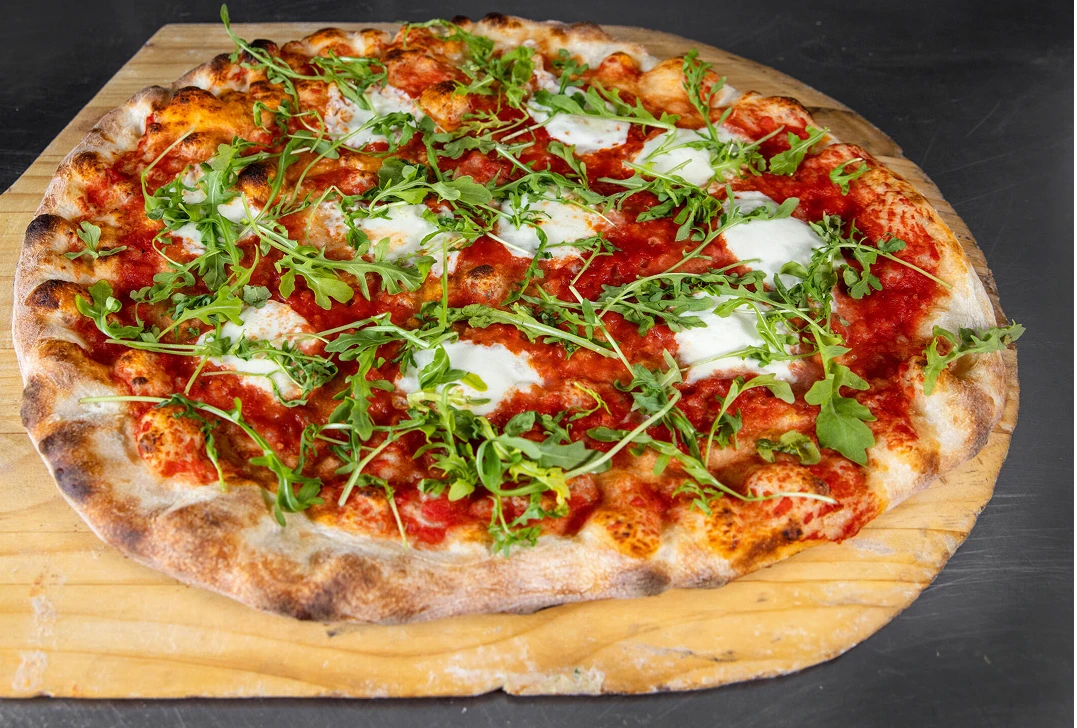

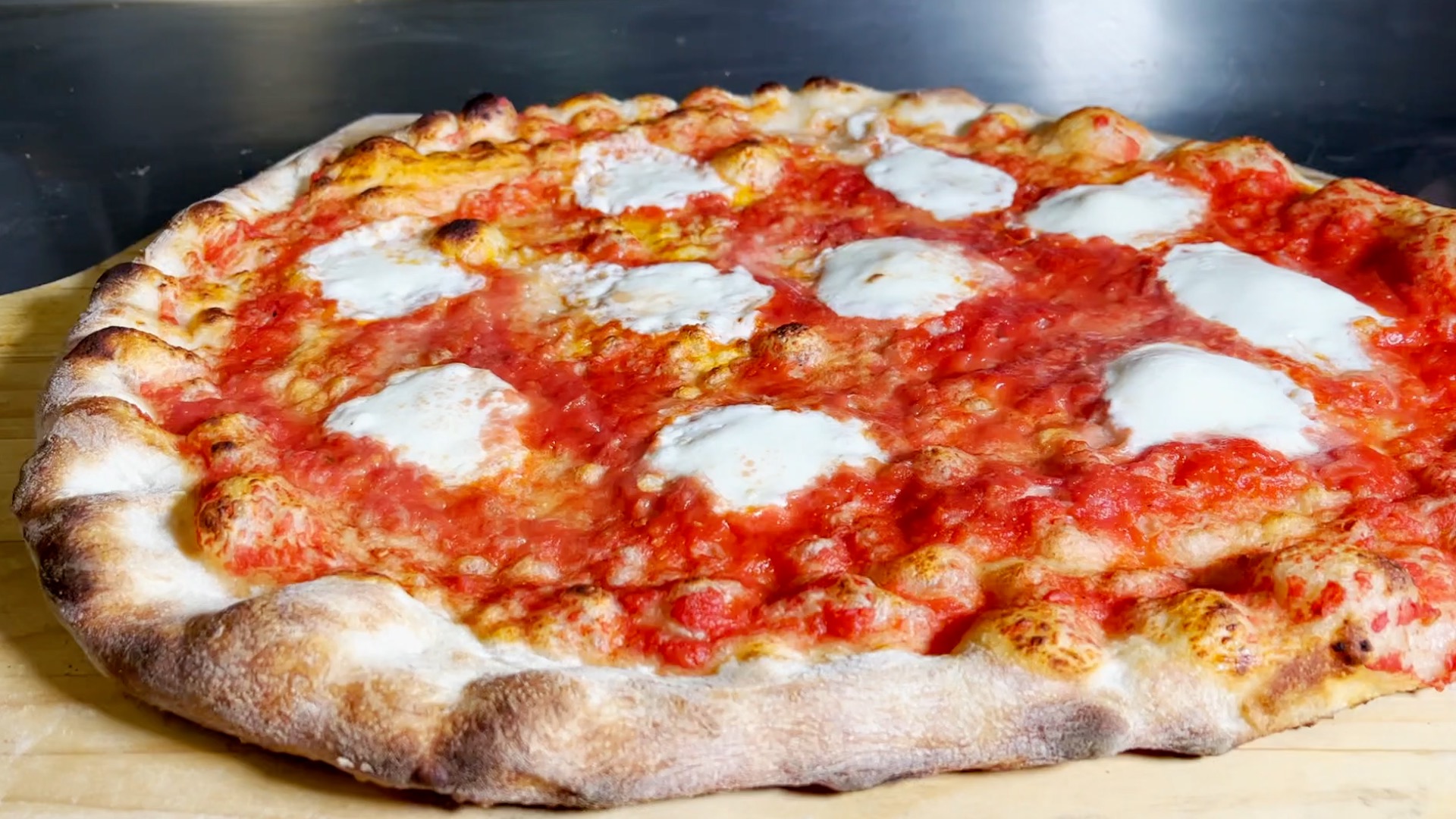
Cheese pizza does not usually get top billing in a place like Boulder. People talk about chef-driven menus, seasonal produce, craft beer, mountain-town coffee, and health-conscious restaurants with ingredient lists as carefully edited as a poem. Yet for all the culinary ambition in town, a simple cheese pie still tells you a great deal about how a pizza shop thinks. Strip away the pepperoni, sausage, hot honey, roasted vegetables, and whatever else lands on the menu board, and you are left with the fundamentals: dough, sauce, cheese, heat, timing, and restraint.
That is exactly why cheese pizza remains such a revealing order in Boulder, Colorado. It suits a town that values quality, freshness, and balance, but it also exposes shortcuts immediately. If the crust lacks structure, if the sauce tastes flat, if the cheese separates into grease and rubber, there is nowhere to hide. A good cheese pizza feels simple only because someone made dozens of careful decisions before it reached the table.
Boulder rewards that kind of attention. It is a city with an unusually discerning dining public for its size. Students want affordable slices. Families want a dependable dinner option. Cyclists and climbers want food that satisfies after a long day outside. Longtime locals may argue over whether New York style, Neapolitan, tavern style, or a sturdier mountain-town pie is best, but they usually agree on one point: if a shop cannot nail cheese pizza, the rest of the menu becomes harder to trust.
Why cheese pizza matters more than people think
There is a reason experienced cooks and restaurant people judge pizzerias by the plain pie. Toppings can distract from imbalances. A salty cured meat can wake up a dull sauce. Pickled chiles can add excitement to a forgettable crust. Extra vegetables can hide a skimpy cheese blend. Cheese pizza offers none of those escape routes.
In Boulder, Colorado, that standard matters because the local food scene tends to reward places that communicate quality through basics. The city has long had an appetite for ingredient integrity. You can feel it in bakeries, coffee shops, breweries, and produce-forward restaurants across town. Pizza is no exception. Even casual spots often face customers who notice flour quality, fermentation, freshness, and oven character. A plain cheese pie becomes a benchmark rather than a fallback.
There is also an emotional side to it. Cheese pizza is familiar in a way few foods are. It works after youth soccer games, late study nights, brewery meetups, ski traffic detours, office lunches, and low-key Friday dinners at home. In a town with a high level of culinary curiosity, it remains one of the rare foods that appeals across age groups and preferences without much negotiation. That broad appeal makes it easy to overlook, but it is one of the hardest dishes to execute consistently.
The Boulder factor
Boulder is not New York, New Haven, Chicago, or Naples, and that is part of the story. Pizza here exists in conversation with local expectations rather than strict regional orthodoxy. People care about crispness, but they also care about digestibility. They like richness, but not usually the kind that leaves you sluggish for the rest of the day. A lot of diners want flavor without excess. That pushes many Boulder-area pizza makers toward a style that lands somewhere between comfort food and thoughtful craft.
Altitude also shapes the conversation, even if customers do not think about it explicitly. Baking at elevation changes moisture loss, fermentation behavior, and browning patterns. Skilled bakers adapt by adjusting hydration, proofing time, flour blends, and oven management. Home cooks in Boulder learn this quickly. Professional pizzerias live with those variables every day. A great cheese pizza here often reflects a quiet technical fluency that customers experience as balance: a crust that is crisp without drying out, airy without collapsing, and browned without tasting overworked.
Then there is Boulder’s agricultural proximity. While pizza is not usually treated as a farm-to-table dish, the best versions benefit from that local ingredient culture. Tomato sourcing matters. Cheese freshness matters. Herbs, even when used sparingly, matter. Boulder diners have become used to paying attention to ingredient quality, so pizza makers who respect that expectation tend to stand out.
What makes a great cheese pizza in Boulder, Colorado
At a glance, cheese pizza sounds almost too basic to analyze. In practice, it is a game of ratios and control. The crust needs enough internal structure to support molten cheese, but it cannot feel tough or dry. The sauce needs brightness and enough seasoning to hold its own, but it should not dominate. The cheese needs to melt evenly and brown in spots without turning oily.
What often separates a merely decent pie from a memorable one is moderation. Many pizzerias overload cheese because it feels generous. On the table, though, excess becomes drag. The crust turns limp. The tomato flavor disappears. Each bite cools into a dense layer rather than staying supple. In Boulder, where diners often appreciate cleaner, more balanced food, the best cheese pizzas usually show a lighter hand. That does not mean skimpy. It means proportionate.
The dough is where most shops win or lose. Good dough tastes like wheat, fermentation, and heat, not just texture. It should have some elasticity and some crackle, depending on style, with enough salt to stay interesting on its own. If you can eat the outer rim without dipping it in anything, the dough is doing its job. If the crust feels like a handle you discard, the pie never had a strong foundation.
Sauce is another overlooked variable. Cheese pizza depends on tomato character more than many loaded pies do. A sauce with decent acidity keeps the dairy in check. A sauce that is too sweet can make the whole slice feel heavy. A sauce that is aggressively seasoned often reads as compensating. The better approach is usually restraint, letting the tomato act as a bright middle layer between bread and cheese.
Cheese itself is not one-note either. Some shops lean on low-moisture mozzarella for that familiar stretch and browned top. Others blend in fresh mozzarella for a creamier bite. A little provolone or another sharper cheese can add depth, but too much complexity can blur the point of a cheese pie. The goal is comfort with character, not a dairy seminar.
Reading a pizza shop through a single slice
Order a slice of Cheese Pizza Boulder, Colorado style, or whatever version a local shop puts forward, and a few things become obvious within minutes. First is whether the crust can support the center. A well-made slice may droop slightly, especially in New York-inspired styles, but it should not fold into soup. Second is whether the cheese and sauce move together or separate the moment you bite. Third is whether the slice still tastes good as it cools.
That last point matters more than people admit. Great pizza has a hot-window peak, but a truly good cheese slice remains pleasant after a few minutes on the plate. You still taste tomato. The cheese does not become waxy. The crust still offers texture. College students and busy families know this instinctively, because pizza is rarely eaten in laboratory conditions. It is eaten during conversation, while unpacking backpacks, after a drive, or between other plans. A cheese pizza that survives real life is better designed than one that only impresses for sixty seconds out of the oven.
In Boulder’s varied dining landscape, that practicality matters. Some shops build pizzas for dine-in service and rapid turnover. Others need to perform in takeout boxes carried across town. Those are different challenges. Steam softens crust. Travel time dulls crisp edges. Cheese congeals. A pizza maker who understands that may leave the pie in the oven a touch longer for takeout or cut it differently depending on style. Those small decisions are signs of professionalism.
The tension between tradition and local taste
Purists can be useful up to a point. They preserve standards. They remind people what certain styles are supposed to look and taste like. But Boulder has never been a town that simply copies another city’s food culture without adapting it. That is true of beer, baked goods, and pizza alike.
A strict East Coast transplant may want a large foldable slice with charred bubbles and a thin, crisp underside. Another customer may prefer a slower-fermented dough, a slightly more substantial crust, and high-quality cheese with less salt. A family with young kids may care less about authenticity than consistency and approachable flavor. A good Boulder pizza shop often navigates all three audiences at once.
That is why local cheese pizza can vary widely without any of those versions being automatically wrong. One place may produce a blistered, lean pie with a delicate rim. Another may serve something heartier, especially in colder months or in neighborhoods where takeout dominates. The common denominator is competence. Style debates are interesting, but execution is what keeps people coming back.
What experienced diners notice right away
If you want to judge a cheese pizza seriously, pay attention to a handful of details before you even take the second bite.
- The crust should smell toasted and wheaty, not just browned.
- The sauce should taste like tomato first, seasoning second.
- The cheese should melt evenly, with some color but not a blanket of grease.
- The slice should hold together from tip to heel.
- The last bite, usually the crust edge, should still feel worth eating.
Those benchmarks are simple, but they cover most of the mistakes pizza shops make. In Boulder, where people often care about craft across categories, these details can be the difference between a place you visit once and a place that slips into your weekly routine.
Cheese pizza as a social food in Boulder
One thing that makes cheese pizza especially relevant in Boulder is how well it fits the rhythms of local life. This is a city where schedules can look oddly compressed. Someone might finish a trail run, answer work emails, meet friends on Pearl Street, then head home with a pizza for the family. Students and young professionals often want something fast, affordable, and satisfying without the fuss of a sit-down meal. Parents want an option that can please both a picky eight-year-old and an adult who cares about ingredient quality. Cheese pizza handles all of that with unusual grace.
It also pairs naturally with Boulder’s drink culture. Beer is the obvious companion, especially crisp lagers, pale ales, and Italian-style pilsners that cut through melted cheese without overwhelming it. But cheese pizza also works with sparkling water, lighter red wines, dry ciders, and even a strong cola. The neutrality of the pie is part of its strength. It does not compete for attention, Cheese Pizza Boulder, Colorado which makes it a flexible anchor for a casual evening.
There is a reason many group orders eventually drift back toward at least one plain cheese pie, even when everyone claims to want something more adventurous. It serves as common ground. In food terms, that is not boring. It is reliable, and reliability is underrated in towns with crowded restaurant scenes.
Dine-in, takeout, and delivery are not equal experiences
Anyone who cares about pizza has learned this the hard way. The same cheese pie can feel vivid and balanced in the restaurant, then arrive at home noticeably softer and heavier. That is not always a sign of poor quality. It is the physics of steam, carryover heat, and travel time.
In Boulder, geography adds its own wrinkles. Short downtown trips are different from drives across town, especially during busy evenings or winter weather. A pizza that shines in-house may need strategic ordering decisions for takeout. If you are serious about getting the best result, a few habits help.
- For a first visit, try the cheese pizza in the shop if possible.
- If ordering delivery, choose a style known to travel well, usually one with a bit more structural crust.
- Reheat leftover slices in a skillet or hot oven, not a microwave, if texture matters to you.
- When feeding a group, add one plain pie even if everyone says they want toppings.
- If a shop offers slices and whole pies, try both on different visits, since they reveal different strengths.
Those are practical choices, not rules. Some pizzerias engineer their pies specifically for the delivery box. Others are at their best right out of the oven on a ceramic plate. Knowing the difference can save disappointment.
Price, value, and what Boulder diners really pay for
Pizza used to be discussed mostly in terms of cheap abundance. That is less true now, especially in places with high labor and ingredient costs. Boulder is not an inexpensive restaurant town, and pizza reflects that reality. Better flour, better cheese, longer fermentation, skilled labor, and rising rent all show up in the final price.
That does not mean every expensive cheese pizza is worth it. Value comes from how convincingly the product delivers on its premise. If a shop charges premium prices, the dough should taste developed, the toppings should be proportionate, and the pie should arrive with care. A basic cheese pizza is often the most honest way to evaluate whether the pricing matches the craft.
At the same time, lower-priced pizza is not automatically inferior. Some shops succeed through volume, efficient systems, and a focused menu. In a college-influenced town like Boulder, there is always room for straightforward, affordable pizza that knows what it is. The key distinction is whether a place cuts corners carelessly or simplifies deliberately. Customers can usually taste the difference.
Home pizza makers in Boulder know the challenge
Spend enough time around serious home cooks in Boulder and cheese pizza comes up sooner than expected. It is a common obsession because it looks easy but exposes every weak point in your process. People invest in steel baking surfaces, fermentation tubs, infrared thermometers, and flour experiments, then realize the plain pie is still the hardest to perfect.
Boulder’s altitude adds a layer of trial and error. Dough can ferment differently than recipes suggest. Oven spring may surprise you. Browning may happen before the center fully sets. Home cooks learn to adjust hydration, shorten or lengthen proofing, and trust visual cues more than strict timelines. Many arrive at the same lesson professional pizza makers already know: simplicity rewards precision.
That local culture of curious, ingredient-aware cooking likely helps explain why good cheese pizza gets respect here. People understand, even if only subconsciously, how much judgment it requires. They may not phrase it in technical terms, but they know when a slice tastes considered.
The best occasions for a plain pie
Cheese pizza earns its keep because it fits so many situations without feeling like a compromise. It works for a Cheese Pizza Boulder, Colorado quick lunch downtown, a low-effort dinner after an afternoon in the Flatirons, a student gathering, or a family meal when nobody wants to negotiate toppings. It is also the smartest order when trying a new pizzeria for the first time. You learn more from one well-made plain slice than from a specialty pie loaded with half the pantry.
It also has a way of reasserting itself after novelty fades. People often begin with elaborate combinations, especially in cities with creative restaurant scenes. Then, after enough visits, they circle back to cheese. Not because they have become less adventurous, but because they want the version that reveals the shop most clearly. In Boulder, Colorado, where diners often appreciate both quality and restraint, that return to basics feels especially fitting.
A strong cheese pizza offers the kind of satisfaction that does not need a lot of explanation. It is warm, balanced, familiar, and just interesting enough to keep you paying attention. In a vibrant food town filled with options, that quiet confidence may be the most impressive quality a pizzeria can have.
Brooklyn Pizza
Address: 1647 Arapahoe Ave, Boulder, CO 80302
Phone number: +17203282324
FAQ About Cheese Pizza Boulder, Colorado
What is usually on a cheese pizza?
A standard cheese pizza consists of a yeast dough crust, a seasoned tomato-based sauce, and melted mozzarella cheese.
What is a cheese pizza called?
A basic cheese pizza is simply called a cheese pizza, a plain pizza, or a plain pie.
What is the best recipe for cheese pizza?
The best cheese pizza recipe uses high-heat baking, a simple raw tomato sauce, and a mix of low-moisture and fresh mozzarella cheese on a homemade yeast dough.